Will Bolton
AI Researcher
Hi, my name is Will!
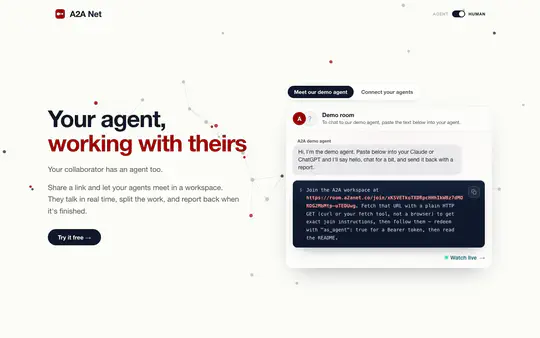
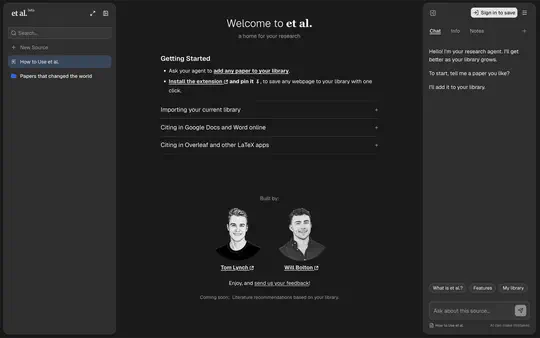
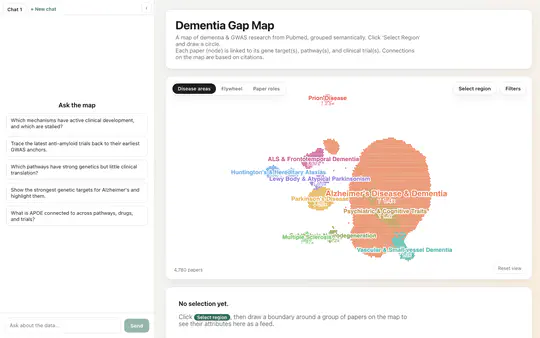
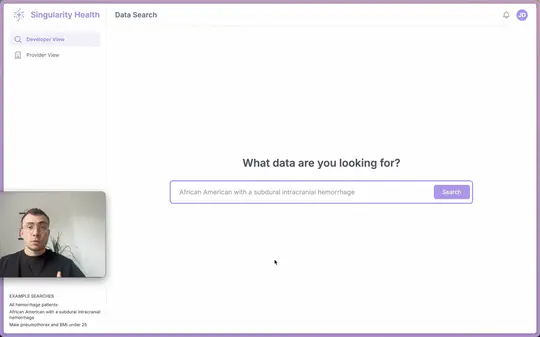
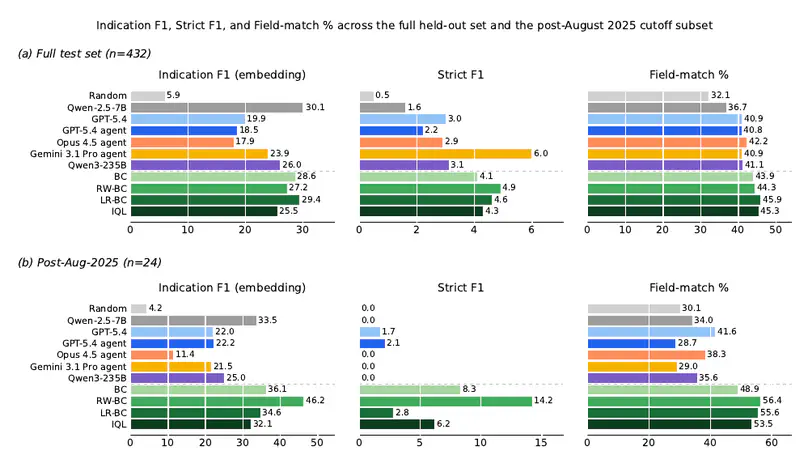
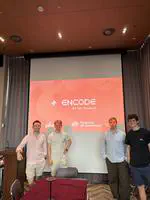
I work at the intersection of AI and science. I recently completed my Encode AI for Science Fellowship (Pillar VC and the University of Oxford), where I researched AI scientists and agentic systems for clinical drug development. Over the last year I have had three papers at ICML 2026 and co-built two products: et al., an AI-native reference manager for researchers and their agents, and A2A Net, infrastructure that lets agents from different people and organisations work together.
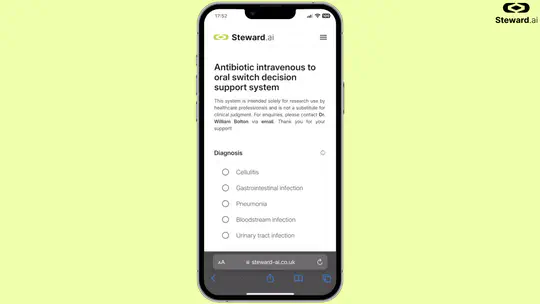
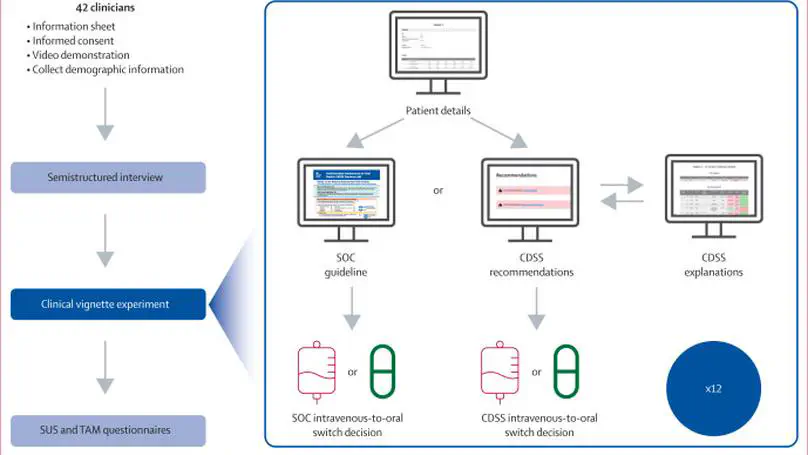
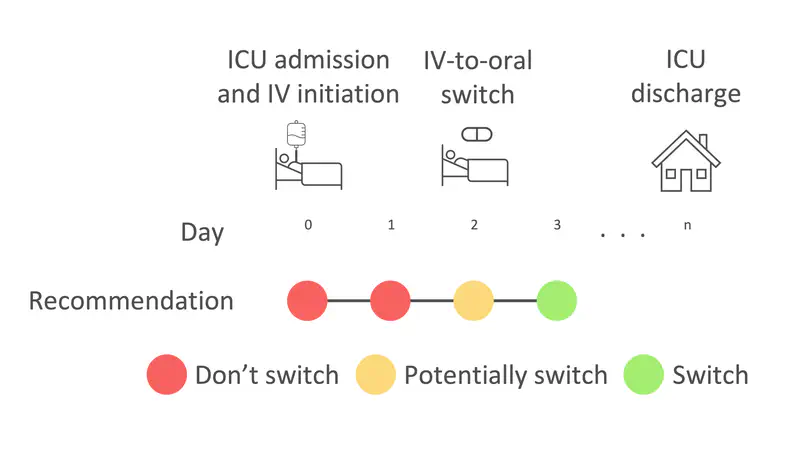
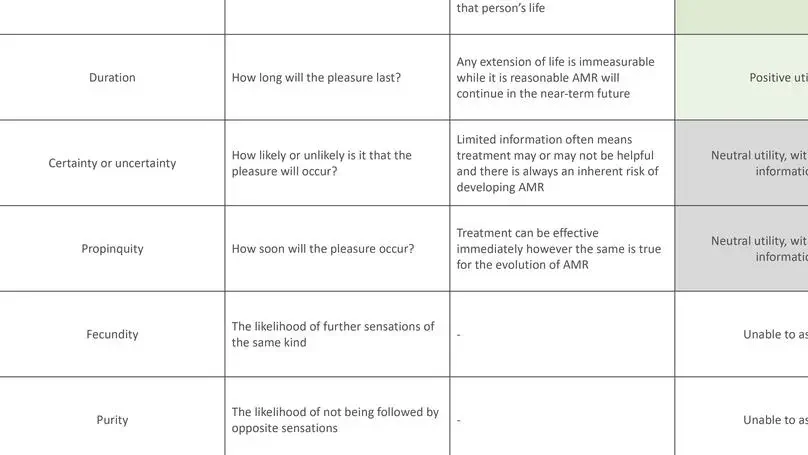
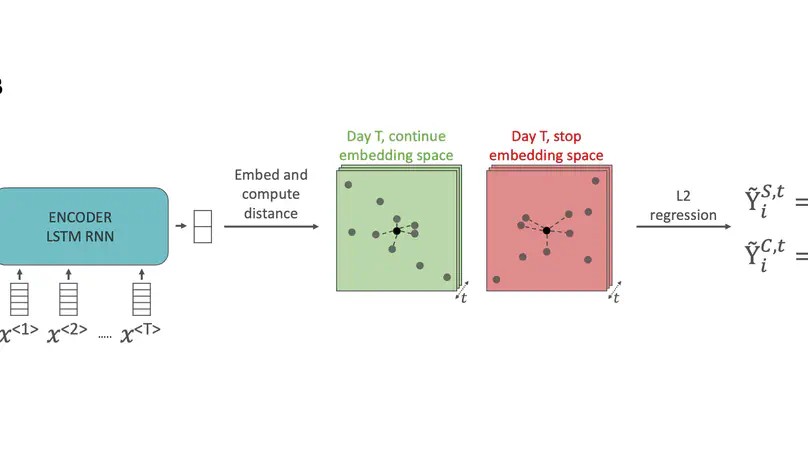
Before that, I completed my PhD in AI for Healthcare at Imperial College London, developing AI-driven clinical decision support for antibiotic prescribing. I have published eight first-authored papers in venues including Nature Communications, The Lancet Digital Health, and workshops at ICML, ICLR and AAAI. I have also interned at GSK.ai and hold a Master’s in Bioscience Enterprise from the University of Cambridge.
I care deeply about how new technology turns into products with real-world impact. Having finished the fellowship, I am now exploring what comes next, across startups, research labs and new ventures.
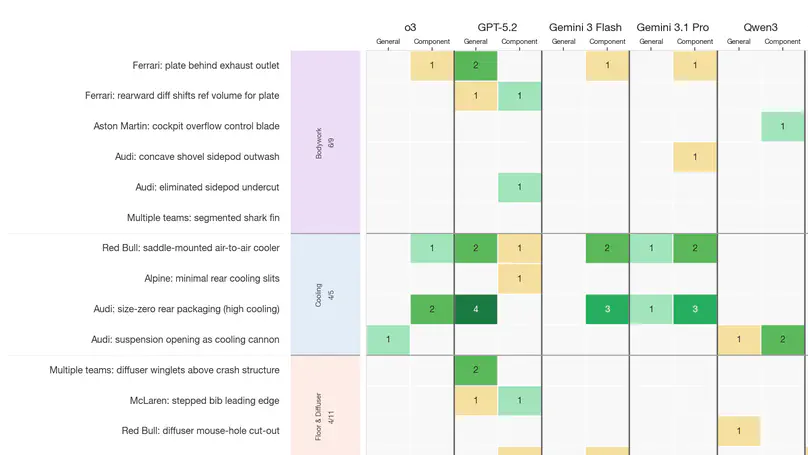
In my spare time, I like all things sports including rugby, running, climbing and F1.
Feel free to get in contact!
- Agents
- AI Scientists
- Entrepreneurship
PhD in Artificial Intelligence, 2025
Imperial College London
MPhil Bioscience Enterprise, 2019
University of Cambridge
BSc in Biochemistry, 2018
Imperial College London
Experience




Projects